How to Extend the Life of Your Roof After Replacement in Succasunna, NJ
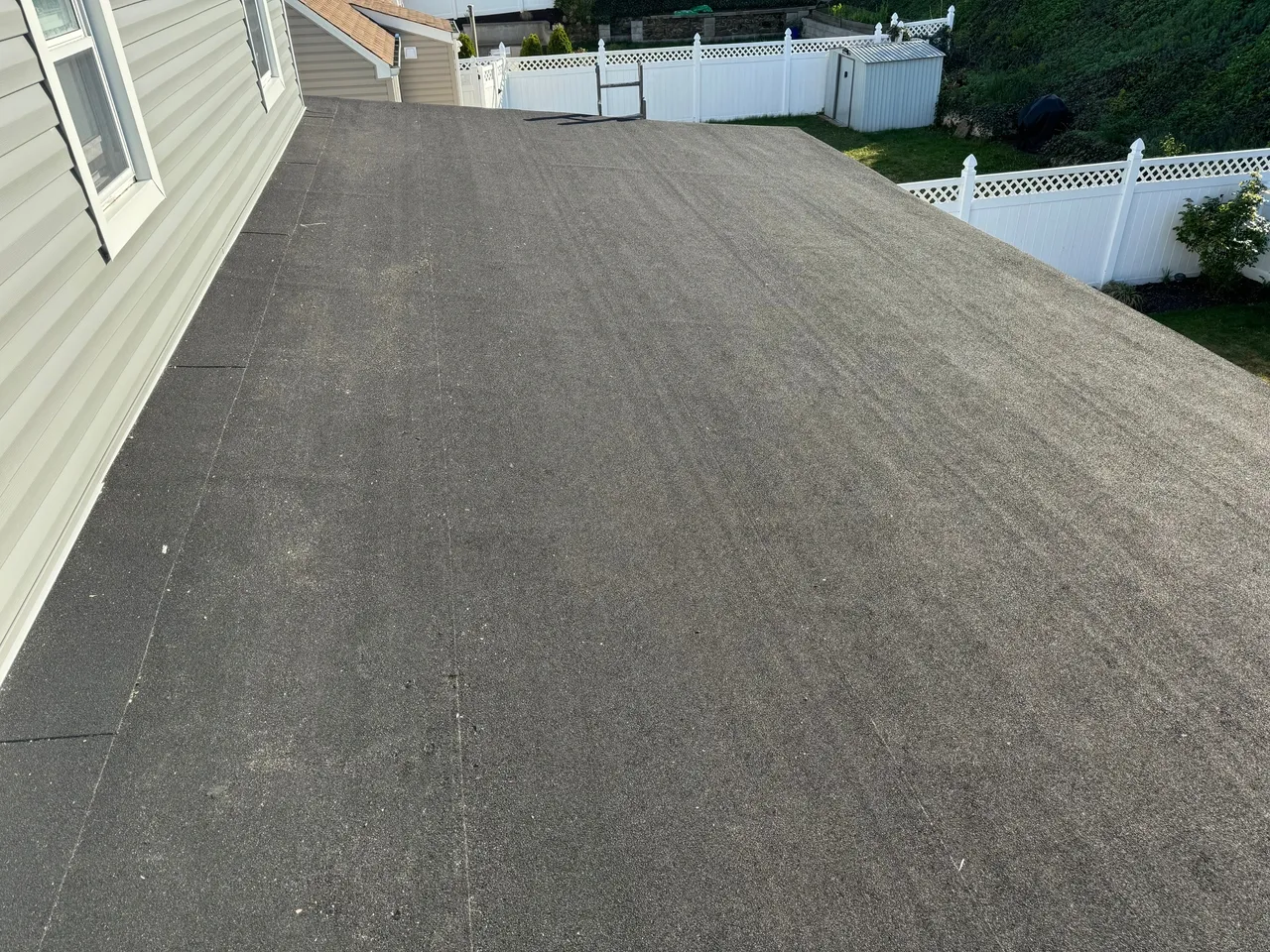
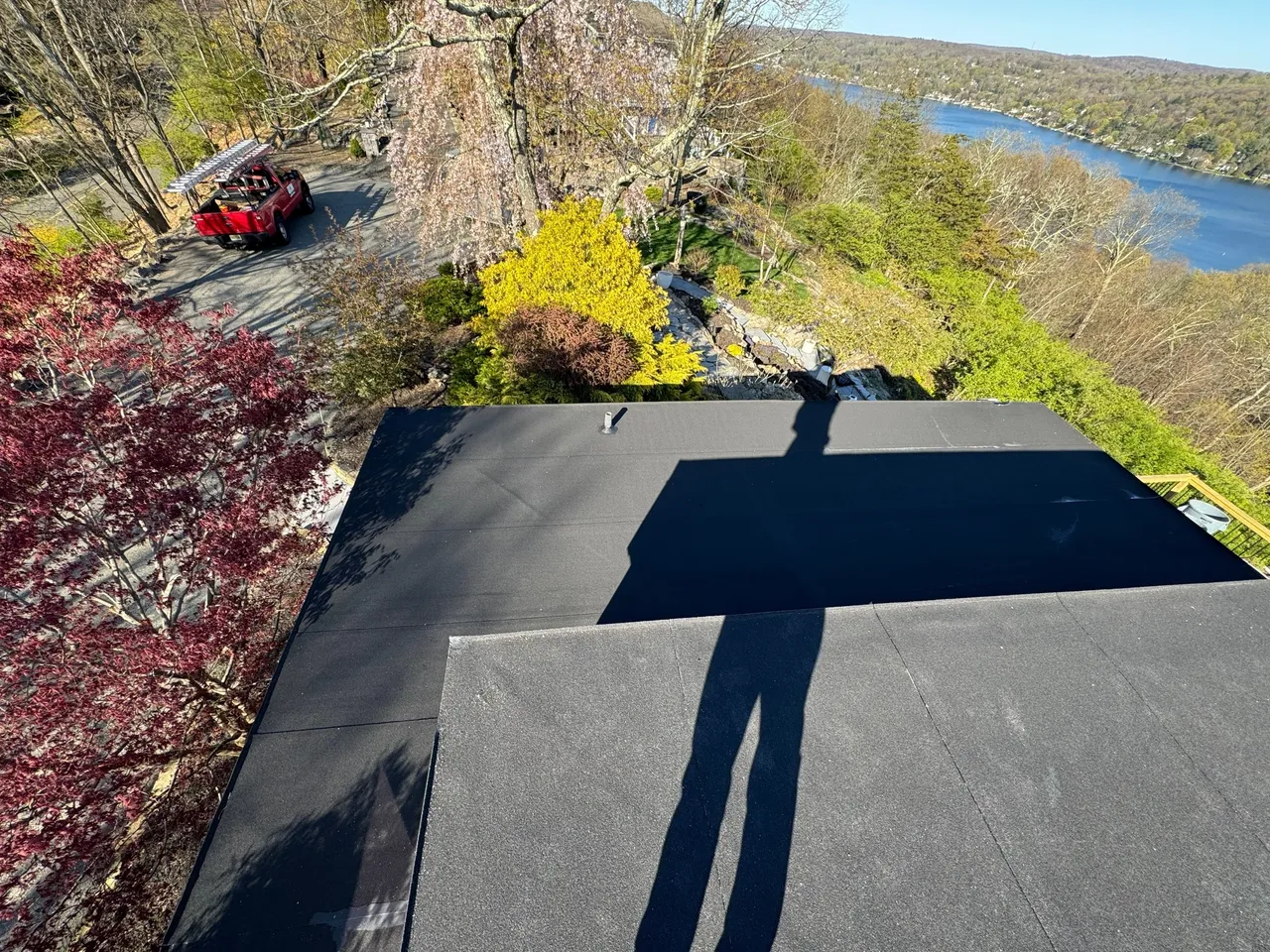
A new roof feels like the end of a long problem. The leaks are gone, the shingles line up cleanly, and the house looks sharper from the street. It is also the start of a new responsibility. Roof replacement is one of the larger investments a homeowner makes, and in a place like Succasunna, that investment has to stand up to real weather. Summer heat, winter snow loads, freeze-thaw cycles, wind-driven rain, and the tree cover common across Morris County all put steady pressure on roofing materials.
The good news is that a replacement roof usually fails early for preventable reasons, not because the shingles simply “ran out” overnight. Most roofs that age poorly do so because of poor ventilation, neglected gutters, trapped moisture, storm damage that was never addressed, or small flashing issues that quietly grow into larger ones. Royalty Exteriors Roof Replacement Succasunna, NJ If you stay ahead of those issues, you can often add years of useful life to the roof you just paid for.
That matters even more in a market like Succasunna, where homes range from older colonials and split-levels to newer builds, each with different rooflines, attic conditions, and drainage patterns. A roof that performs well on one home can struggle on another if the ventilation setup is off or if overhanging trees keep the surface damp for long stretches. Long roof life comes from matching maintenance to the house and the local climate, not from hoping premium materials will carry the whole load by themselves.
What actually shortens a new roof's lifespan
When homeowners think about roof wear, they usually picture wind tearing off shingles or hail leaving dents. Those things happen, but the more common damage is quieter. Heat trapped in the attic bakes shingles from below. Moisture that cannot escape condenses on decking and fasteners. Gutters clog, water backs up at the eaves, and fascia begins to rot. A small gap around a pipe boot lets in enough water to stain sheathing for months before anyone notices.
In Succasunna, the seasonal swings are a big factor. January and February can bring snow and ice accumulation. By July, attic temperatures can climb hard on a sunny afternoon. That constant expansion and contraction affects sealants, flashing joints, and shingle adhesion. Add in leaves from oak and maple trees, plus the occasional moss growth on shaded roof planes, and even a well-installed system can age faster than expected if no one is paying attention.
Another overlooked issue is foot traffic. A roof should not become a walkway for satellite installers, gutter crews, holiday light hanging, or anyone else without a reason and proper care. Asphalt shingles, especially in hot weather, can scuff or crack under concentrated weight. I have seen roofs only a few years old with granule loss and broken tabs clustered around the same access path near a chimney. The roof itself was not defective. It was simply treated like a platform instead of a finished water-shedding system.
The first year after roof replacement matters more than many people realize
A newly installed roof should settle into service, not be forgotten. The first twelve months are when installation-related issues, if any exist, often reveal themselves. A vent might not draw as expected. A flashing seam may show weakness during the first heavy storm. A gutter section could be pitched just slightly wrong, causing overflow in one corner every time rain gets heavy.
This is why I often advise homeowners to pay close attention through the first full cycle of seasons. Watch how the roof behaves during a downpour. Look at the attic after a cold snap. Notice whether icicles form repeatedly in one area. A roof does not need dramatic failure to send a warning. Small patterns matter.
If your project involved Roof Replacement Succasunna, NJ contractors likely discussed warranty terms, but warranties are only part of the picture. Manufacturer warranties and workmanship warranties can help when there is a specific defect, yet they do not replace routine maintenance. They also tend to work better when the homeowner can document inspections and timely repairs. A dated photo of a lifted shingle after a storm is more useful than a vague memory six months later.
Ventilation is not an upgrade, it is part of roof longevity
If I had to name the most misunderstood part of roof performance, it would be attic ventilation. Homeowners naturally focus on shingles because that is the visible layer, but the roof system lives or dies from how air and moisture move beneath it.
A properly balanced ventilation setup usually pulls cooler air in through intake vents, often at the soffits, and exhausts warmer, moisture-laden air near the ridge or upper roof area. When that balance is off, problems begin. Too little intake can make ridge vents underperform. Too much exhaust in the wrong place can create dead zones. Bathroom fans that dump moist air into the attic instead of outside can ruin roof decking regardless of how new the shingles are.
In winter, poor ventilation contributes to uneven roof temperatures. Snow melts over warmer sections, flows downward, then refreezes at colder eaves, increasing the risk of ice dams. In summer, excess attic heat accelerates shingle aging and can raise cooling costs inside the house. I have been in attics in North Jersey on hot afternoons where the trapped heat felt punishing enough to explain why the shingles above were curling years before they should have.
A roof replacement is the right time to correct these issues, but it is still wise to verify performance afterward. If the upstairs stays unusually hot, if attic insulation looks damp, or if there is a musty smell, it is worth having the ventilation reviewed. This is especially true in older homes around Succasunna where original soffit configurations were not designed with modern roofing systems in mind.
Gutters and drainage do more work than they get credit for
Roofs do not fail only from the top down. They also suffer when water cannot leave the edges efficiently. Gutters, downspouts, splash blocks, and grading around the foundation all affect roof life because they control where water goes once it reaches the eaves.
A clogged gutter can trap water against the roof edge long enough to damage fascia, underlayment, and the first course of shingles. In winter, debris-filled gutters freeze faster and hold ice Roof Replacement Succasunna, NJ longer. During a hard storm, overflow can run behind the gutter and wet the wood trim. That moisture often gets blamed on “the roof” even when the main issue is drainage.
Succasunna homes with mature trees need more frequent cleaning than open-lot homes. One maple nearby can fill a valley or gutter trough with wet leaves surprisingly fast. Once debris sits there, it holds moisture against the roofing surface and encourages granule wear, staining, and sometimes moss.
A simple maintenance rhythm is usually enough:
- Check gutters and downspouts in late spring and again in late fall.
- Make sure downspout discharge moves water away from the house, not right at the foundation.
- After major storms, look for sections that pulled loose or overflowed.
- Keep roof valleys free of packed leaves and twigs.
- If gutter guards are installed, inspect them anyway, because guards reduce cleaning but do not eliminate it.
That small routine prevents a lot of edge damage that homeowners do not notice until the trim paint peels or the decking softens.
Trees can protect a roof and shorten its life at the same time
Shade is helpful in summer, especially on west-facing slopes that take long afternoon sun. But trees create their own wear pattern. Branches that scrape shingles during windy conditions gradually loosen granules and can mar the surface. Limbs overhanging the roof drop seeds, leaves, acorns, and small sticks that collect in valleys and behind chimneys. Dense shade also keeps roof planes damp longer after rain, which encourages algae streaking and moss growth.
This does not mean every branch near the house must go. It means pruning should be strategic. Keep limbs from physically contacting the roof. Open up enough canopy to improve drying after storms. If one roof section stays damp all day while the rest of the roof dries by midmorning, that area deserves closer attention.
I once walked a replacement roof in a heavily wooded neighborhood where the front slope looked almost new after eight years, while the rear slope had visible moss pockets and granule loss. Same installer, same product, same age. The difference was a cluster of mature trees shading the back half of the house. The lesson was straightforward. Environment changes wear, even when the roofing material is identical.
If you hire a tree company, let them know the roof is relatively new. A careful crew will protect it better during trimming and debris removal.
Storm checks should be quick, calm, and consistent
After a strong thunderstorm, a winter wind event, or a heavy snowfall, many homeowners either ignore the roof completely or panic and climb onto it. Neither response is ideal. Most post-storm checks can be done safely from the ground, with binoculars if needed, and from inside the attic.
What you are looking for is not a full diagnosis. You are looking for signs that justify calling a roofer. Missing shingles, bent flashing, new debris impact, gutter displacement, or water staining in the attic all count. So do shingle tabs that look lifted or out of alignment after high winds.
Snow is a special case in New Jersey. A healthy roof is designed to handle normal winter weather, but deep, repeated snowfalls can create trouble where design, ventilation, and drainage issues already exist. Heavy snow near the eaves, especially followed by thaw and refreeze, deserves attention if you have a history of ice dams. Roof raking from the ground can help in some cases, but it needs to be done carefully to avoid damaging shingles.
One practical habit is to keep a simple photo record. Stand in the same few spots in your yard each season and snap roofline pictures. If something changes, you will have a baseline. That is far more useful than trying to remember whether a dip or stain was “always there.”
Small repairs are almost always cheaper than delayed repairs
There is a pattern I have seen over and over. A homeowner notices a minor issue, maybe one lifted shingle near a vent, a small water stain in a closet corner, or a bit of flashing that does not sit flush. Because the roof is “new,” the issue gets dismissed. Then another season passes. Wind gets under the loose area, moisture works behind the flashing, and what could have been a service call becomes interior repair plus roofing work.
New roofs are not immune to maintenance. Sealants age. Pipe boots wear. Fasteners can back out. Animal activity happens. Squirrels and raccoons do not care how recently the roof was replaced.
The smarter approach is to treat anything visible as worth checking while it is still minor. On newer roofs, repairs are often simpler because the surrounding materials are still in good condition. Matching shingles is easier. Adjacent flashing has not yet become brittle. Labor stays focused on a tight area instead of expanding due to water migration.
If your roof was installed by a local contractor, keep their contact information and project details in one place. When a small issue comes up, you want to know who installed it, what product was used, and whether the work may fall under workmanship coverage. That saves time and cuts confusion.
The attic tells the truth
Many roof problems show up in the attic before they appear on the ceiling. That is why I consider attic checks part of roof care, not a separate chore. You do not need to go up there every week. A few thoughtful visits each year, especially after severe weather or a prolonged cold spell, can reveal a lot.
Look for dark staining on the underside of the decking, damp insulation, rusty nail tips, mold growth, or daylight where it should not be visible. Notice the air quality too. A stale, humid, or musty attic often points to ventilation or moisture problems. If bath fans terminate into the attic space, correct that quickly. Warm indoor air carries more moisture than people realize, and repeated exposure can do real damage to wood sheathing.
In older homes around Succasunna, attics often tell stories about upgrades done over decades. New insulation may have been added without preserving soffit airflow. An old gable fan may still be in place but not functioning. A ridge vent might have been added during Roof Replacement Succasunna, NJ work, yet the intake path below remains blocked. Those mixed conditions are common, and they matter.
An attic inspection does not require technical expertise to be valuable. You are not trying to certify the whole system. You are simply looking for change. Dry wood that stays dry is a good sign. A new stain is not.
Be careful with pressure washing, moss treatments, and “quick fixes”
Homeowners understandably want a clean-looking roof, but appearance-based treatments can backfire. Pressure washing asphalt shingles is one of the fastest ways to shorten their life. It strips granules, loosens edges, and can force water where it does not belong. If algae streaks or moss are present, the right approach is usually a low-pressure treatment specified for roofing materials, applied with attention to runoff and nearby landscaping.
Even then, judgment matters. Not every discoloration justifies treatment right away. A light algae stain on an older north-facing slope may be mostly cosmetic. Aggressive cleaning on a newer roof might do more harm than the stain itself. Moss is more serious because it can hold moisture and lift shingle edges, but removal should still be done carefully.
Store-bought sealants and patch products deserve the same caution. Smearing roofing cement over a problem area can make future repairs harder and sometimes traps water instead of solving the leak path. The same goes for caulking every visible seam “just in case.” Good roofing repairs are targeted. Too much sealant in the wrong place can age poorly, crack, and create a false sense of security.
Seasonal habits that pay off in North Jersey
The roof does not need constant attention, but it does benefit from seasonal awareness. The specific timing will vary with weather, yet the general pattern is consistent enough to be useful.
- Spring is a good time to check for winter damage, especially around eaves, flashing, and gutters.
- Summer is ideal for trimming branches and assessing attic heat or ventilation performance.
- Fall is the season to clear leaves, confirm drainage, and prepare for freeze-thaw conditions.
- Winter calls for watching ice dam patterns and addressing unusual snow buildup safely.
Those four checkpoints catch most of the conditions that reduce roof life in this region. They also spread the work out, which makes maintenance more realistic.
Workmanship, materials, and maintenance all matter, but not equally in every case
Homeowners often ask which matters most: the product, the installer, or the upkeep. The honest answer is that all three matter, but the balance shifts depending on the house.
A high-end shingle installed poorly will disappoint quickly. A basic but reputable shingle installed correctly can perform very well for many years. A properly installed premium roof can still have problems if attic moisture is ignored or if gutters stay clogged. There is no single hero in the system.
That is especially important when evaluating roof performance after replacement. If you paid for a strong roofing package and still see signs of wear, do not assume the material itself is the issue. On many homes, the root cause sits just below or beside the roof, in ventilation, insulation, flashing design, drainage, or shade conditions.
This is where experienced local judgment helps. A contractor familiar with Succasunna housing stock and North Jersey weather patterns can often spot recurring trouble areas faster than someone relying only on manufacturer diagrams. Valleys below heavy tree cover, low-slope sections over additions, chimney intersections on older masonry homes, and complex dormers all deserve a more practiced eye.
When to bring in a professional
Some roof care is homeowner-friendly. Some is not. The line usually comes down to height, pitch, weather exposure, and the nature of the issue. Visual checks from the ground, attic observations, and basic gutter monitoring are reasonable. Walking the roof, diagnosing flashing failures, or dealing with storm damage on steep slopes is a job for a pro.
Call a professional if you notice recurring leaks, visible shingle movement, sagging, moss that keeps returning, granules collecting heavily in gutters, repeated ice dam formation, or unexplained attic moisture. Call sooner if the roof is newer. Early intervention is often the best chance to preserve both the material and any applicable warranty rights.
It also helps to schedule periodic professional inspections, even when no urgent problem is visible. That does not mean every year without fail for every house. For many homeowners, every few years, plus after significant storms, is a practical rhythm. The goal is not to create unnecessary service visits. The goal is to catch the sort of small issue that stays affordable when found early.
A replacement roof lasts longest when it becomes part of the house, not an isolated project
The longest-lasting roofs are rarely the ones left alone entirely. They are the ones supported by a dry attic, working ventilation, clean drainage, sensible tree management, and prompt attention when something looks off. In other words, roof life is less about one dramatic action and more about a series of steady, sensible decisions.
That may sound less exciting than choosing shingle color or reading a warranty brochure, but it is the practical truth. Once the replacement is done, your roof starts responding to the daily conditions around it. The homeowners who get the most value from their investment are usually the ones who understand that the roofing system is tied to airflow, water management, and seasonal maintenance.
For homes in Succasunna, that approach pays off. The local weather asks a lot from a roof, but it also rewards careful ownership. If you give a replacement roof the support it needs, there is a good chance it will return the favor for a long time.
Royalty Exteriors
151 NJ-10 Suite 103A, Succasunna, NJ 07876, United States
+1 973-333-7234
FAQ About Roof Replacement Succasunna, NJ
What are signs a roof needs replacing?
Widespread shingle deterioration, repeated leaks, or damaged decking can point to a larger problem. A roofer can inspect the roof covering, flashing, and deck to determine whether the damage is localized or whether replacement makes more sense.
How long does it take to reroof a 2000 square foot house?
Royalty Exteriors estimates one to three days for many single-family roof replacements. A house’s floor area does not tell you the actual roof area. Pitch, roof features, weather, and any decking repairs can change the schedule.
How long should a roof last in NJ?
There is no single lifespan for every roof. Material, installation quality, attic ventilation, maintenance, and exposure to storms all affect how long a roof remains serviceable. An inspection can help you assess its condition and plan for replacement.
Ends · EMILIANOVQWM927